John Lambe, Wine Merchant
Wine Fit for a King
John Lambe, grandfather of Alfred Boydell Lambe, was the son of Henry and Mary (Staniland) Lambe.1 He began business on New Bond Street in about 1771,2 one hundred years before his grandson ended the business to immigrate to Canada. John and Mary Lambe had their first child, John Whalley Lambe, on September 13, 1772.3
Prior to starting his wine and water business, John Lambe became a member of the Freedom of the City, probably in 1769, where he was listed as a musician.4 He extended this membership to his son Alfred when Alfred was born in 1789.
Filed in the British Library is a handbill produced by John to advertise his business and provide prices.5 The British Library dates the handbill to "c. 1796". Since the text of the handbill is very similar to an advertisement that appeared in The Times in 1795,6 the date is likely correct. The handbill reads, in part:
John Lambe, Wine Merchant, Purveyor to his Majesty, and Proprietor of the Tilbury Well, At his Mineral Water Warehouses, No. 143, Bond Street, and No. 2, Leadenhall Street, sells at the following prices..."
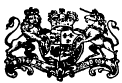 First, of particular importance on this advertisement is the claim that John is wine merchant to the King; the King at that time was George III. The handbill is adorned with the King's coat of arms, shown at left, which is appropriate for that time period. In those days, royal warrants were not the result of entering a public tender. In fact, advertisements have also been found from 1778 to well after 1808, the year that John Lambe died, suggesting that John Lambe had a royal warrant over most of his career on New Bond Street.7, 8 What connections did John have that allowed him to get this lucrative arrangement?
Not surprisingly, given his royal warrant, the Lambe family was particularly loyal to the King. A 1789 newspaper describing house decorations for the King's birthday stated:9
Of New Bond Street the only illuminations were those of Lambe, the purveyor; Heming, the goldsmith; and Liese, the woollen-draper.
Second, note that the street number on New Bond Street (sometimes referred to in documents as just "Bond Street") is not 149. London directories show that John Lambe's house number went from 153 to 143 to 149.10
See a separate discussion of the Lambes' addresses on New Bond Street.Mineral Water for All
Also of interest are the wares John had for sale c. 1796. They included the following, some of which brands are still available today:
- Seltzer Water,
- Pyrmont Water,
- Spa Water, Pouhon Spring,
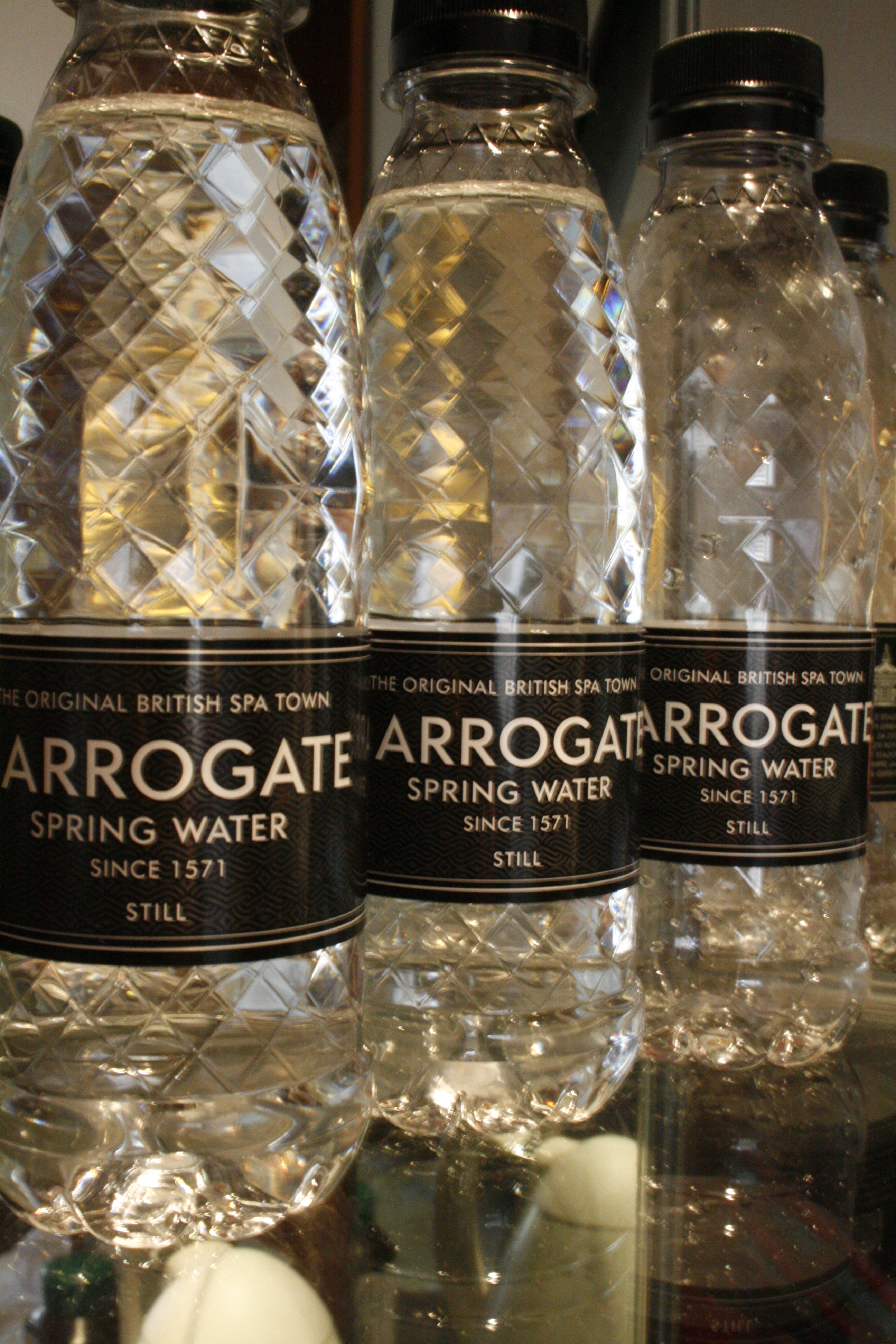
- Harrowgate Water [the modern version is shown at right],11
- Jessop, or Stoke Water,
- Tilbury Alternative Water,
- Bristol Hot-Well Water,
- Cheltenham Water,
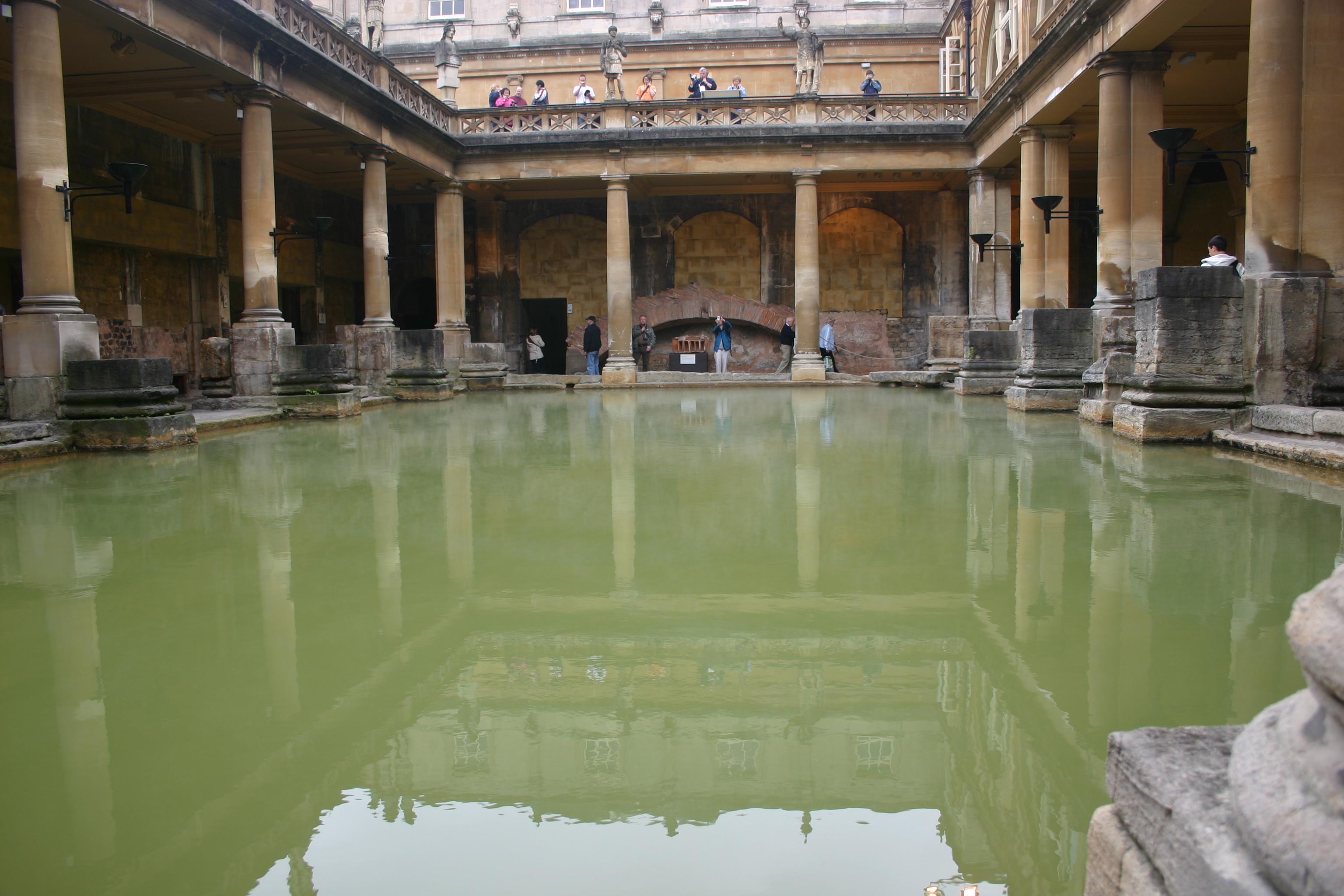
- Bath and Scarborough Water [the Roman spa at Bath is shown below right],12
- Sea, Dog and Duck Water,
- Dantzick Spruce Beer,
- Essence of Spruce for Brewing,
- American Spruce Beer,
- Old Hock,
- Rhenish,
- Madeira,
- Sherry,
- Mountain,
- Red Port,
- Calcavella, and
- Lisbon.
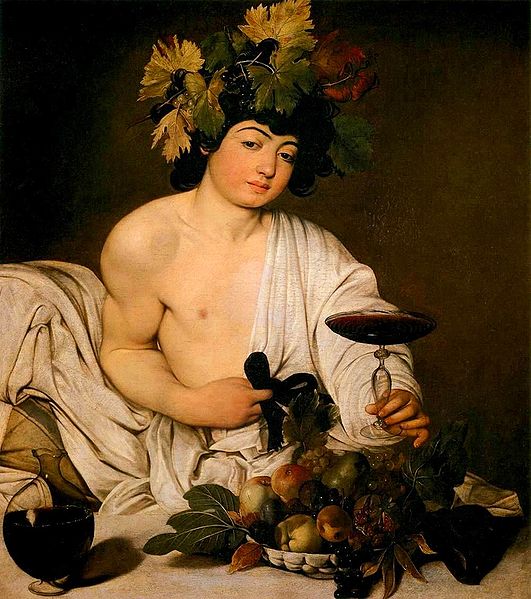 Although some of the same wine is sold by John as by his grandson Alfred Boydell Lambe 44 years later,13, 14 such as Sherry, Madeira, and Port, the emphasis in John's time was clearly on mineral water. (See the page on Alfred Boydell Lambe for a discussion of what was sold in 1840.) This difference is simply a sign of the times. In Liquid Pleasures,15 John Burnett states,
Since the Middle Ages certain English springs and wells had been credited with miraculous curative properties, and by the later seventeenth century spas were developing at some of these... By the early eighteenth century 'the movement of people to the spas was matched by the movement of spa waters to the people'.
Of sixty-five English spas at this time nine had their waters bottled and despatched to most parts of the country, either by land carriage or, in the case of Bristol and Scarborough waters, by sea; London merchants also imported the famed Continental waters of Spa (in Belgium), Pyrmont and Seltzer. Mineral waters were retailed in coffee-houses, by apolthecaries, grocers, glass-sellers and many others...
In the context of the historical demand for mineral water, John was well placed to run a successful business, especially once he received a royal warrant. John was clearly carrying the types of mineral water that were popular. In contrast, Alfred B. did not offer any mineral water in his 1840 advertisement. Burnett's book also helps us understand this:16
Natural mineral waters indirectly bridged the gap between the traditional drinks... and the modern, science-based soft drinks industry. ... London in the 1840s had more than fifty soft drinks manufacturers, by now often using proprietary essesnces and compounds in a sugar syrup rather than natural juices and flavours. ... By 1850 there were around 1,500 street-sellers of soft drinks in London during the summer months, some of whom 'brewed' their own beer at home from ginger, lemon-acid, essence of cloves, yeast and sugar...
By the time of Alfred B.'s advertisement, the market for mineral water had waned in preference to soft drinks, for which the competition was building. Alfred B. stuck with his area of experience - fine wines.
Later Life
Like his son Alfred, John seemed to be respected in the community. In a coroner's jury that sat for almost a year from January 3 to December 20, 1774, he was appointed foreman.17 This shows the confidence his fellow citizens placed in him.
Based on the London directories, it appears that John worked until his death in 1808.18 His will, which left everything to his wife Mary (and didn't even mention any children), was proved on August 20, 1808.19
Mary Lambe, Wine Merchant
Mary Lambe was an early example of a businesswoman in the Lambe family tree. After bearing at least 8 children, she promptly took over the business of her husband upon his death in 1808, and maintained a royal warrant at least until 1820.20 The Lambes provided wine to the royal family through the time King George III and also through the regency period, during which the King's eldest son, George, acted in his place. Mary continued to advertise the warrant into the first year of his reign as George IV.
Records of the Sun Fire Insurance Company show that in 1808, the year of her husband's death, Mary took out an insurance policy for 149 New Bond Street, including the stock of wines.21
Mary Lambe No. 149 New Bond Street Wine Merchant & Dealer in Mineral Waters & Essence of Spruce... Dwelling House only Brick situated as aforesaid not exceeding Six Hundred Pounds... Bottled Stock therein only not exceding one hundred fifty pounds...
Her age is not known, but she lived for almost twenty years after the death of her husband John. As with many women in this time period, we know little of her life aside from what we can infer from the life of her husband.
Mary died in 1827. Her will, dated 1821, left everything to her daughter Harriot.22 The wine merchant business must have passed to her son Alfred prior to 1821. Mary's will was proved on November 12, 1827.
Footnotes
1See the webpage on Henry and Mary Lambe for evidence that John Lambe, wine merchant, is the son of Henry and Mary Lambe of St. James's Square.
2Advertisement for Lambe and Co. in Public Advertiser, London, December 13, 1771.
3See my transcript of Lamb christenings at St. George Hanover Square.
4Grant of Freedom of the City to Alfred Lambe son of John Lambe, 1789, accessed through www.ancestry.ca, provided by Averill Ambrose September 7, 2012.
5Lambe, John, John Lambe, wine merchant, purveyor to his majesty..., London: c.1796, British Library shelfmark General Reference Collection Cup.21.g.23/20.
6Lambe, J., "Fresh Selzer Water, of this Autumn filling" in The Times, London: Sept. 30, 1795, p. 2 col. 1.
7For example, advertisement for J. Lambe in Gazetteer and New Daily Advertiser, Sept. 30, 1778.
8For example, Lambe, "Real Seltzer, Spa, and Seidlitz" in The Morning Post, June 3, 1820.
9"Illuminations" in Public Advertiser, London, June 6, 1789.
10For example, the London Directory, London: 1792 shows John Lambe at 153 New Bond Street, as do prior directories back to 1774, while the General London Directory, London: 1793 shows him at 143 New Bond Street. In Kent's Directory, London: 1814, John Lambe is associated with 149 New Bond Street, and from this point forward this was the address of the Lambes on New Bond Street.
11Harrogate Water, water provided on a flight, photograph by Andrew G. Clarkson, March 11, 2016.
12The Roman Spa at Bath, photograph by Andrew G. Clarkson, May 13, 2004.
13"A.B. Lambe, 149, New Bond-street" in The Times, London: October 23, 1840, p.1 col. 5.
14Caravaggio, Michelangelo Merisi, Bacco, from Wikimedia Commons, en.wikipedia.org/wiki/File:Bacco.jpg, accessed August 11, 2012.
15Burnett, John, Liquid Pleasures: A Social History of Drinks in Modern Britain, London: Routledge, 1999, pp. 97-98.
16Burnett Liquid Pleasures, pp. 98-99.
17List of Inhabitants Summon'd to Meet at Mr. Poulton's the sign of the White horse in Knightsbridge, October 17, 1774, on www.londonlives.org, reference WACWIC652140463, retrieved September 9, 2012.
18Kent's Directory, London: 1814, p. 195.
19Will of John Lambe of New Bond Street as reported in the records of the Prerogative Court of Canterbury, catalogue reference Prob 11/1484.
20Lambe, "Real Seltzer, Spa, and Seidlitz" in The Morning Post, June 3, 1820.
21Sun Fire Insurance Company Insurance certificate for 149 New Bond Street dated May 4, 1808 in the name of Mary Lambe.
22Will of Mary Lambe of New Bond Street as reported in the records of the Prerogative Court of Canterbury, catalogue reference Prob 11/1733.
